
Battlefields & history
Let the Ground Tell the Story
Walk preserved battlefields, discover the events that shaped the Shenandoah Valley, and find everything you need to plan your visit.
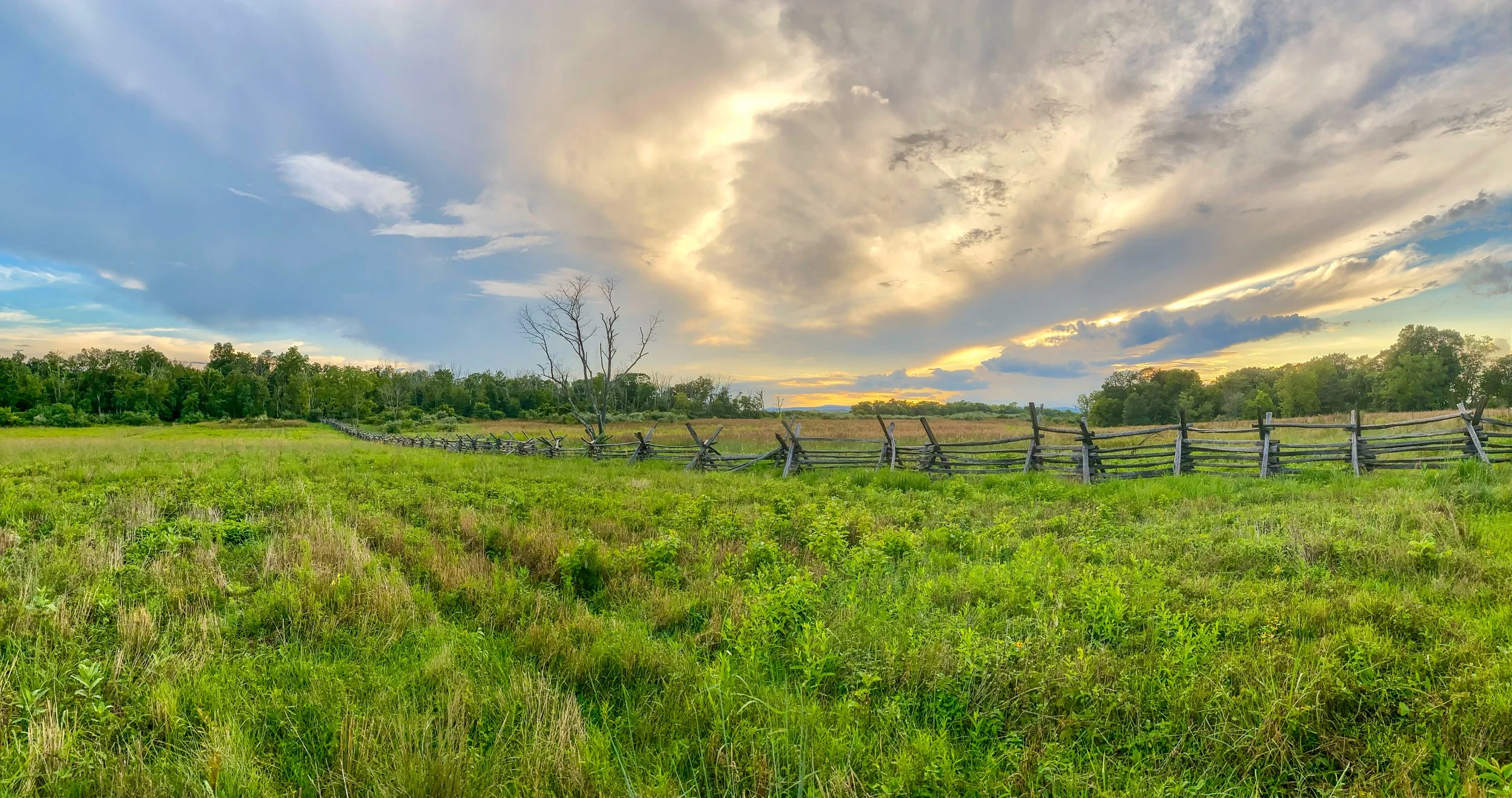
Third Winchester Battlefield · Winchester, Virginia
ExploreWalk the ground
Find your battlefield
Begin with a place. Each battlefield connects practical visitor information with the people, decisions, and campaigns that give the landscape meaning.

September 19, 1864
Third Winchester Battlefield Park
Walk more than six miles of interpreted trails across the Valley’s largest and costliest battlefield.
Trails · Visitor center

May 15, 1864
New Market Battlefield
Explore the museum, Manor’s Hill, and the ground where VMI cadets entered the battle line.
Museum · Walking trails

October 19, 1864
Cedar Creek Battlefield
Discover preserved ground, Belle Grove, and the dramatic final major battle fought in the Valley.
National park · Historic sites

September 22, 1864
Fisher’s Hill Battlefield
Climb Ramseur’s Hill for interpreted trails and sweeping views across the Valley’s narrowest corridor.
Trails · Scenic views

June 8, 1862
Cross Keys Battlefield
Follow the opening act of Jackson’s campaign finale through farmland south of Harrisonburg.
Driving route · Preserved land
June 9, 1862
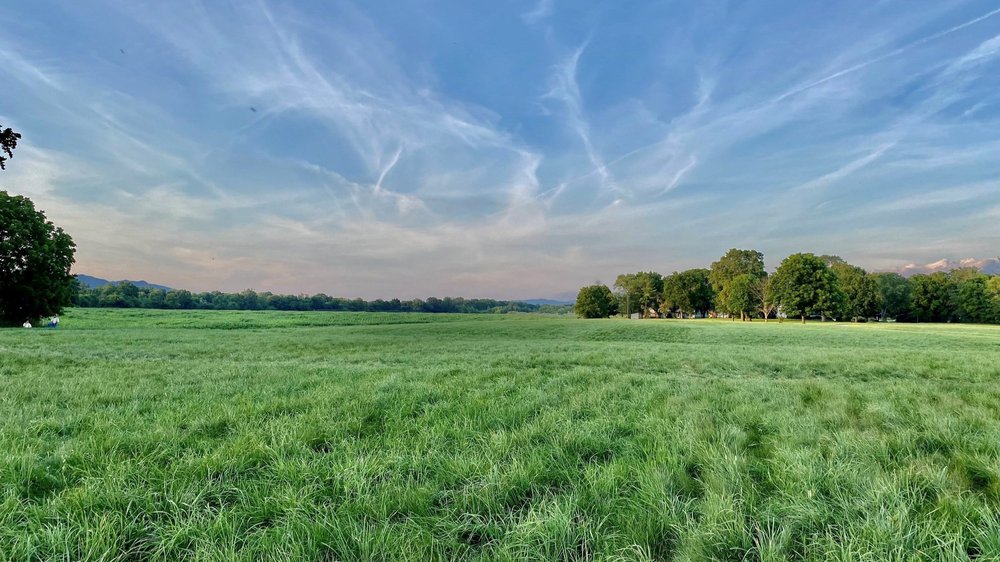
Port Republic Battlefield
Stand where Jackson completed his legendary 1862 campaign one day after Cross Keys.
Historic village · Battlefield

June 5, 1864
Piedmont Battlefield
Explore the ground where David Hunter’s victory opened the road toward Staunton and Lynchburg.
Driving tour · Battlefield landscape

July 17–18, 1864
Cool Spring Battlefield
Walk preserved riverfront ground where Union troops crossed the Shenandoah and met Confederate forces guarding the Blue Ridge approaches.
River campus · Walking trails

March 23, 1862 · July 24, 1864
Kernstown Battlefields
Visit the Pritchard House and the landscape where two Valley battles unfolded two years apart.
Historic house · Grounds

May 8, 1862
McDowell Battlefield
Hike to the battleline on Sitlington’s Hill, where Jackson won the first Confederate victory of his 1862 Valley Campaign.
Steep hiking trail · Driving tour
Follow the story
The Valley at war
Open each year with the larger campaign, then follow the battles in sequence. The timeline shows how one landscape became the setting for four years of movement, conflict, and change.
1862Stonewall Jackson’s Valley CampaignA small army keeps three Union forces in motion.

In the spring of 1862, Thomas J. “Stonewall” Jackson used speed, terrain, and surprise to divert Union armies from Richmond. His campaign moved from defeat at Kernstown to victories at McDowell, Front Royal, Winchester, Cross Keys, and Port Republic.
March–June
Jackson’s Valley Campaign
A rapid campaign of movement and surprise that drew three Union forces into the Valley and ended at Cross Keys and Port Republic.
Battles in sequence
- Mar 23First Kernstown
- May 8McDowell
- May 23Front Royal
- May 25First Winchester
- Jun 8Cross Keys
- Jun 9Port Republic
1863Milroy at Winchester & the Gettysburg CampaignThe Valley becomes an avenue of invasion.

Union General Robert Milroy’s fortified command at Winchester stood in the path of Robert E. Lee’s second invasion of the North. Its defeat at Second Winchester cleared the lower Valley and helped open the route toward Gettysburg.
June–July
The Gettysburg Campaign
Milroy’s defeat at Winchester cleared the lower Valley and helped open Robert E. Lee’s route north toward Pennsylvania.
Battles in sequence
- Jun 13–15Second Winchester
- Jul 23Manassas Gap
1864The struggle for the ValleyNew armies—and a wider war—transform the landscape.

From New Market and Piedmont to Early’s advance on Washington and Sheridan’s decisive autumn campaign, 1864 brought the Valley’s most sustained fighting. Third Winchester, Fisher’s Hill, and Cedar Creek determined control of the region.
May–June
The Lynchburg Campaign
New Market and Piedmont shaped David Hunter’s advance through Staunton toward Lynchburg.
June–August
Early’s Maryland Campaign
Jubal Early moved down the Valley, crossed the Potomac, and reached the defenses of Washington.
August–October
Sheridan’s Valley Campaign
Third Winchester, Fisher’s Hill, and Cedar Creek broke Confederate power in the Valley.
Battles in sequence
- May 15New Market
- Jun 5Piedmont
- Jul 17–18Cool Spring
- Jul 20Rutherford’s Farm
- Jul 24Second Kernstown
- Sep 19Third Winchester
- Sep 22Fisher’s Hill
- Oct 9Tom’s Brook
- Oct 19Cedar Creek
1865The end of the Valley warThe final Confederate force is swept away.

At Waynesboro on March 2, 1865, Philip Sheridan’s cavalry shattered Jubal Early’s remaining army. The victory ended organized Confederate resistance in the Shenandoah Valley.
February–March
The final Valley operations
Sheridan’s cavalry returned to the Valley and shattered Jubal Early’s remaining force at Waynesboro.
Battles in sequence
- Mar 2Waynesboro
Plan a route
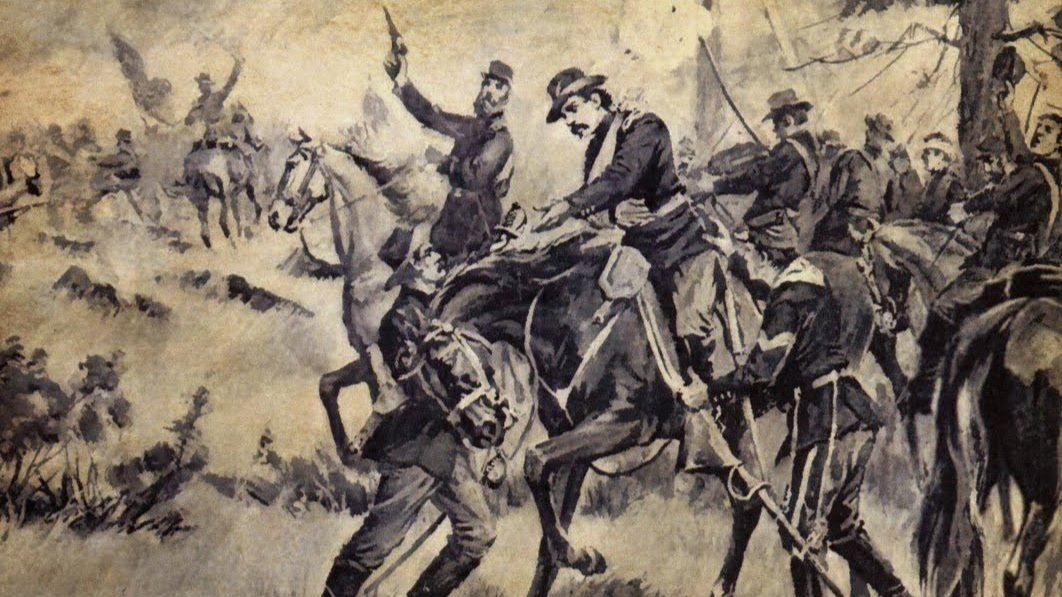
Cross Keys. Port Republic. Piedmont.
Three battlefields, two pivotal years, and one memorable drive through the landscape southeast of Harrisonburg.
- 01Cross Keys
Begin with the June 8, 1862 battle.
- 02Port Republic
Continue to Jackson’s campaign finale.
- 03Piedmont
Finish with Hunter’s decisive 1864 victory.
Your visit starts here
Every landscape holds a story.
Choose a battlefield, trace a campaign, or connect several places into a day in the Shenandoah Valley.
Find your battlefield