

Preservation
Preserve the ground.
Keep the story alive.
The Shenandoah Valley’s battlefields are living landscapes—places where terrain, memory, and the human consequences of war can still be understood.
Third Winchester Battlefield
One landscape. An irreplaceable record.
The Valley is more than the setting for history. Its landscape shaped what happened.
The Valley Pike, river crossings, mountain gaps, ridges, and open farmland influenced where armies marched, fought, and supplied themselves. Maps can describe these features, but preserved ground allows visitors and researchers to see why commanders made particular decisions and how soldiers experienced a battle.
These places also contain physical evidence that cannot be replaced once it is destroyed. Archaeological remains, historic roads, farmsteads, burial sites, and patterns in the land can reveal information absent from written records and connect individual stories to the larger course of the war.
The preservation and interpretation of these sites will make a vital contribution to the understanding of the heritage of the United States.
U.S. Congress, Shenandoah Valley Battlefields National Historic District and Commission Act of 1996
How the district came to be
A regional effort to protect a nationally important landscape.
The district connects significant sites and historic routes in Augusta, Clarke, Frederick, Highland, Page, Rockingham, Shenandoah, and Warren counties. Its legislation emphasized voluntary cooperation among landowners, nonprofit organizations, communities, and federal, state, and local governments.
The plan established the nonprofit Shenandoah Valley Battlefields Foundation as the district’s principal management organization. The district is not a conventional national park; it is a partnership-based National Heritage Area where preservation is accomplished through local cooperation and voluntary stewardship.
1990

Congress authorizes a study
Concern over the loss of historic land led Congress to authorize a National Park Service study of the Shenandoah Valley’s Civil War sites.
1992

The Valley’s significance is documented
The completed study recorded 326 armed conflicts and identified fifteen battles of major significance. It found that many surviving sites possessed national importance and retained a high degree of historic integrity.
1996

The National Historic District is established
On November 12, Congress created the Shenandoah Valley Battlefields National Historic District through Section 606 of the Omnibus Parks and Public Lands Management Act.
2000

A community-based plan moves forward
Following approximately three years of study, public participation, and nearly one hundred public meetings, the secretary of the interior approved the district’s management plan.
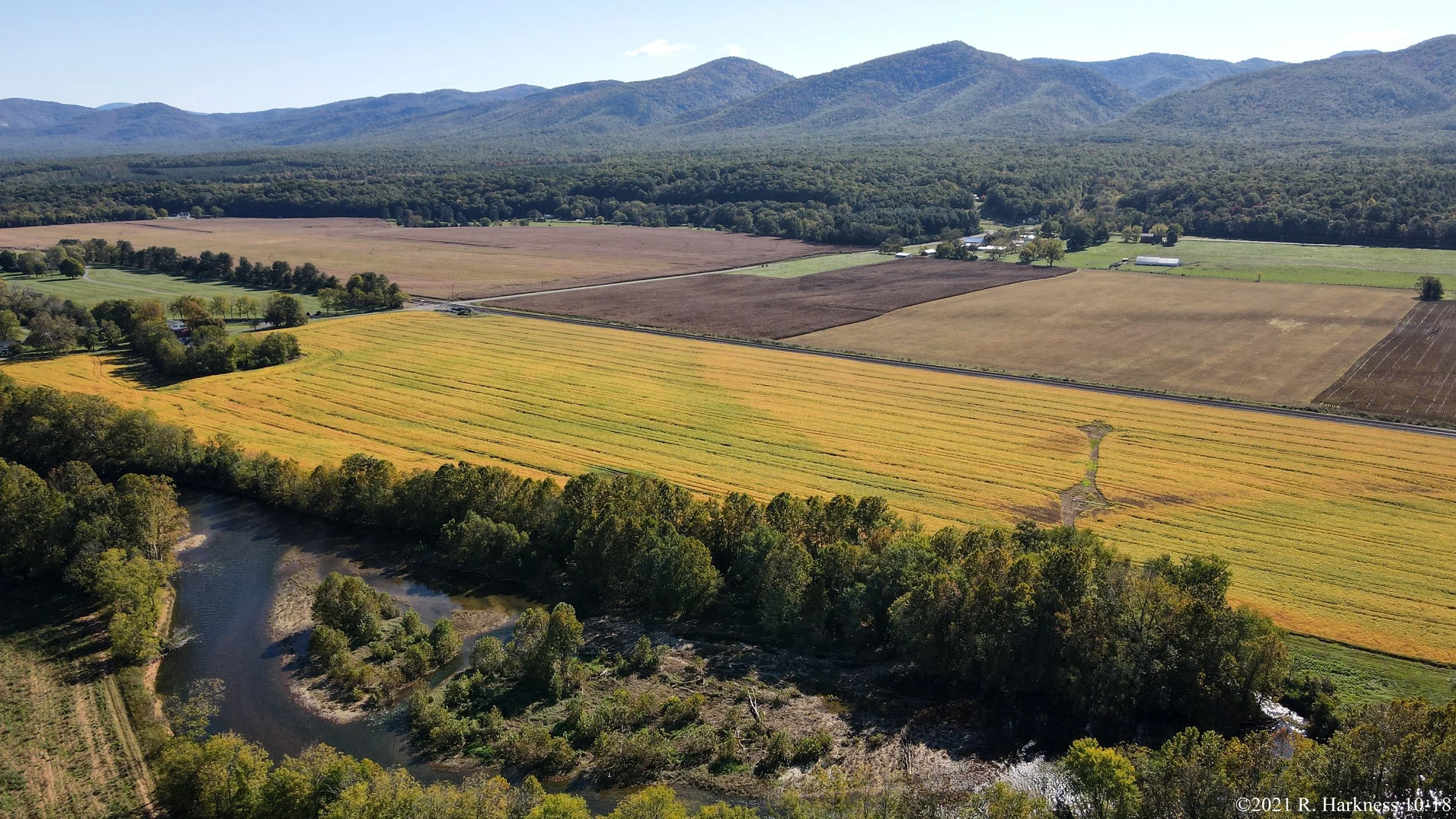
More than military history
Preserved land makes room for the Valley’s full story.
Battlefield preservation makes it possible to tell a broader story—one that includes civilians, enslaved and free African Americans, refugees, farmers, medical workers, and communities confronting emancipation, destruction, and postwar recovery.
These landscapes provide open-air classrooms in which difficult subjects— war, slavery, emancipation, loyalty, destruction, and reconciliation—can be examined in the places where people experienced them.
Explore the Long Road to FreedomWhy the work is urgent
A finite resource in a changing Valley.

Historic evidence
Roads, subdivisions, commercial construction, and other changes can erase historic terrain or sever the visual connections that make a battlefield understandable.

Working landscapes
Protected land can continue to support farming, wildlife habitat, clean water, outdoor recreation, and the rural character that defines the Valley.

Stronger communities
Battlefields, museums, and trails foster community identity while drawing visitors who support local lodging, restaurants, shops, and other businesses.
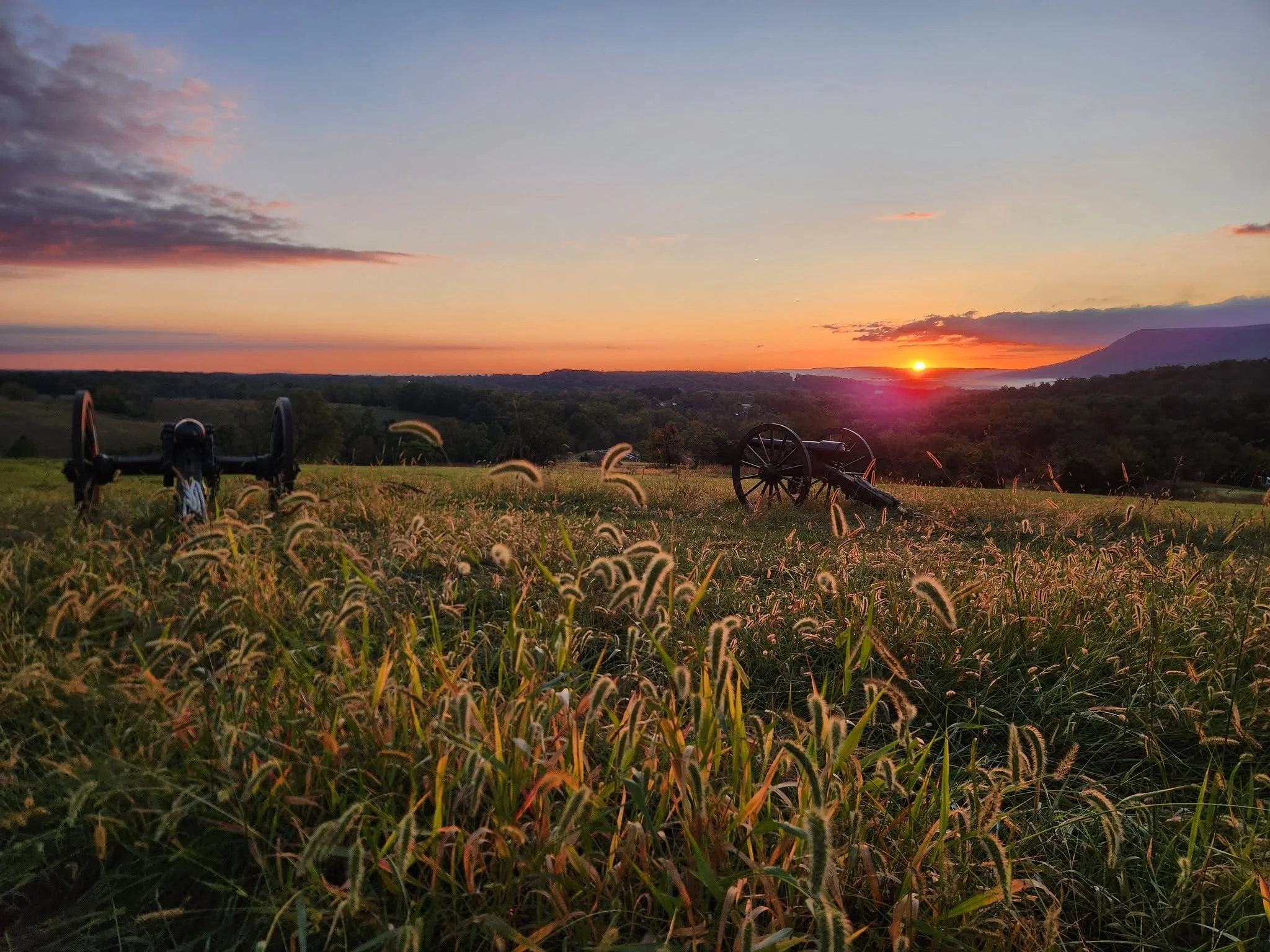 Fisher’s Hill Battlefield
Keep history within reach
Preservation protects the Valley’s memory—and its ability to teach.
Saving battlefield land honors the people whose lives were transformed or ended here. It also gives future generations the opportunity to walk the ground, encounter the evidence, ask difficult questions, and understand the human consequences of the Civil War.
Protect the legacy
Help save the places that tell the story.
Donors make it possible to preserve the hallowed ground of the Valley’s Civil War battlefields and share its story with the nation. Your one-time or recurring gift helps save threatened land, care for preserved landscapes, and keep these places accessible and understood for generations to come.
