
A regional heritage trail
The Long Roadto Freedom
Black lives shaped the Shenandoah Valley long before war came—and the struggle for freedom did not end at Appomattox.
The journey
Before, during and beyond the Civil War
Freedom was not a single moment.
Generations of free and enslaved African Americans built families, labored, worshiped and formed communities throughout the Shenandoah Valley. When the Civil War reached Virginia, they weighed risk and possibility in a landscape where armies came and went.
Some escaped bondage, gathered intelligence or joined the Union effort. Others remained rooted in the Valley. After slavery’s constitutional end, Black communities continued the long struggle for safety, citizenship and equality through Reconstruction, Jim Crow and the Civil Rights era.
Lives already in motion
Enslaved and free Black people shaped the Valley’s farms, towns, trades, churches and culture.
Freedom in wartime
The presence of armies opened perilous paths toward self-emancipation, military service and uncertain refuge.
Making freedom real
Families built vibrant communities while pressing for education, political power and full citizenship.
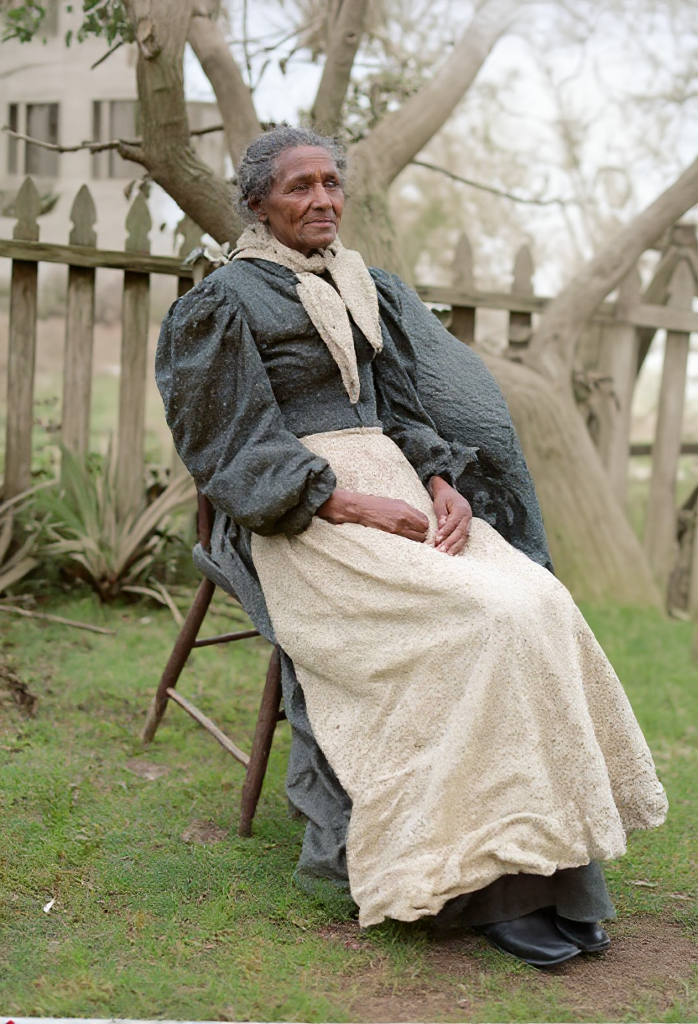
Portrait of Bethany Veney in later life
People
A life at the heart of the project
Bethany Veney told her own story.
Born into slavery near Luray in 1813, Veney endured family separation, forced labor and the threat of sale before gaining her freedom and beginning a new life in New England.
Her 1889 autobiography, Aunt Betty’s Story: The Narrative of Bethany Veney, a Slave Woman, preserved a first-person account of bondage in the Shenandoah Valley—and a life defined by far more than enslavement.
Read the current project pageMore voices from the Valley
Freedom was made through action.
Bethany Veney’s story opens the road. Along it are many more lives: people who gathered intelligence, wore the uniform, built institutions and claimed a place in public memory.
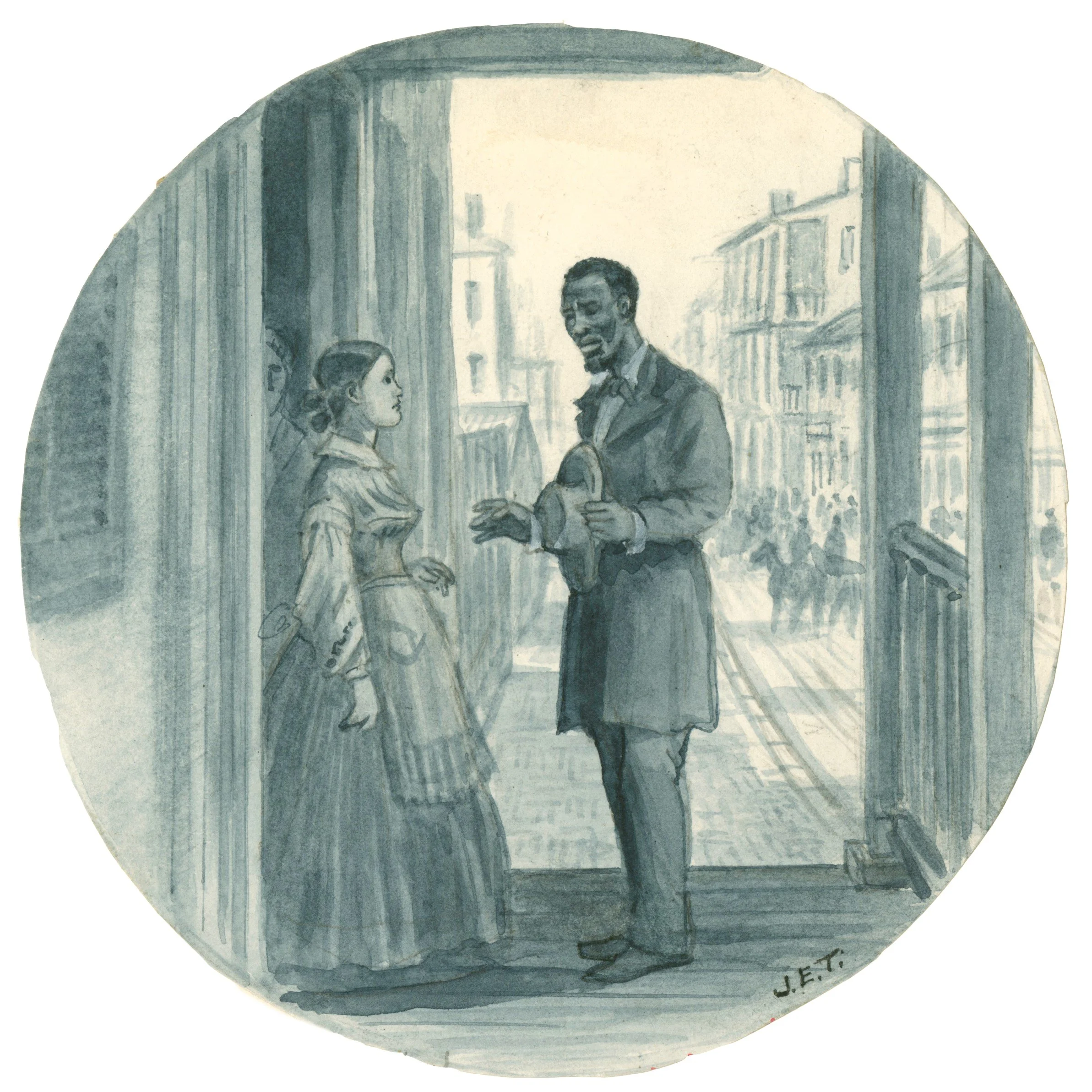
Thomas Laws
Laws carried crucial information through Confederate lines to Union forces before the Third Battle of Winchester.
Visit the marker record
Sgt. Jacob Johns
Johns served with the 19th United States Colored Troops when the regiment entered the Valley on a recruiting mission in 1864.
Read the historyPlaces
A Valley-wide story
History lives along the road.
The trail brings together historic landscapes, community landmarks and first-person stories across the eight counties of the National Historic District.
LurayPage County1 marker
New MarketShenandoah County3 markers
WinchesterFrederick County2 markers
Montgomery HallStaunton12 markers
Marker records and visitor details open on the Historical Marker Database.
Retrace the steps to freedom
Let the landscape open the story.
Plan a visit to Long Road to Freedom sites throughout the Shenandoah Valley and encounter this history where it unfolded.